How to Hire Skilled Sri Lankan Construction Workers in Israel: A Practical Guide for Contractors
A step-by-step look at how Israeli contractors and manpower companies can plan, onboard and manage a skilled Sri Lankan construction workforce — from defining the requirement to day-to-day site coordination.
 Dilash Priyashan · 16 October 2026 · 3 min read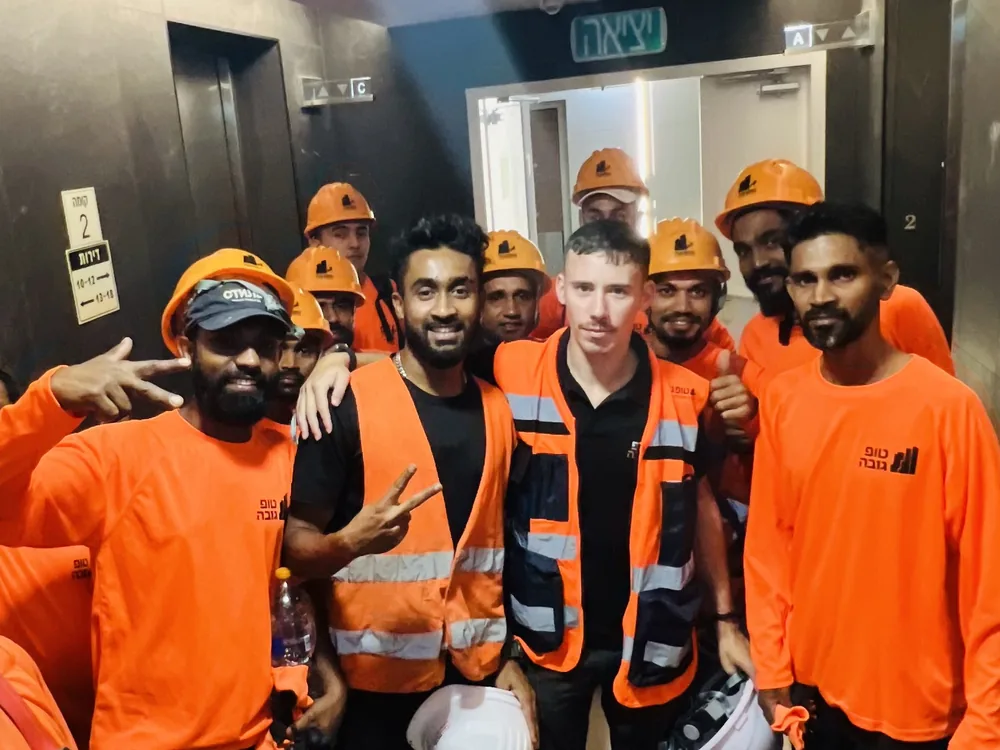
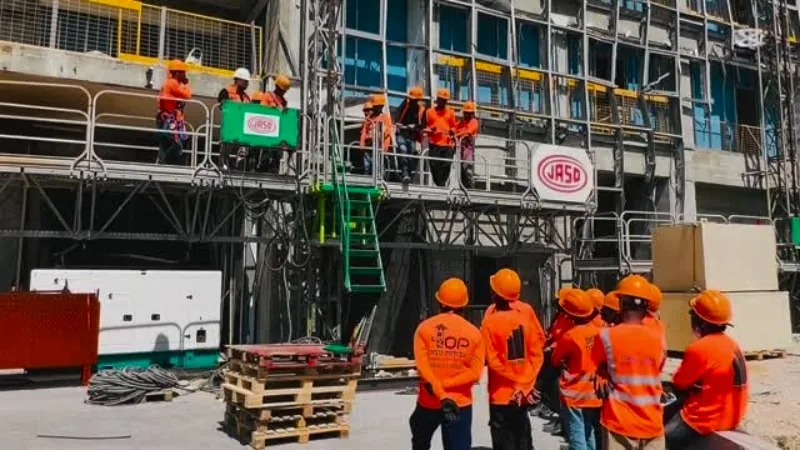
Israel's construction sector has been short of skilled hands for years, and Sri Lankan workers have become an important part of the solution. But bringing a crew from Sri Lanka to an Israeli site is not just paperwork — the projects that run smoothly are the ones where planning, compliance and on-site management are treated as one continuous process.
I coordinate B1 construction workers from Sri Lanka for Israeli projects every day, and I started on the tools myself as a formwork carpenter. This guide walks through the process the way it actually works on the ground.
1. Define the requirement properly
Everything downstream depends on this step. Before anything else, be specific about:
- Trades and skill levels — formwork, steel fixing, masonry, tiling, general labour. "Twenty workers" is not a requirement; "twelve experienced formwork carpenters and eight general workers" is.
- Headcount and phasing — when each group is needed on site, and for how long.
- Site conditions — high-rise work, rope access, night shifts or travel between sites all affect who is the right fit.
- Supervision — who will lead the crew day to day, and in which language.
A clear brief saves weeks later and means workers arrive into roles they are genuinely qualified for.
2. Work through the official route
Sri Lanka to Israel construction recruitment runs through official, government-regulated channels. On the Israeli side this involves the Population and Immigration Authority and licensed manpower routes; on the Sri Lankan side, the Sri Lanka Bureau of Foreign Employment (SLBFE).
The rules, quotas and procedures change from time to time, so the practical advice is simple: work with a licensed route that knows the current requirements, and be wary of anyone offering shortcuts. A compliant process protects your company, your project timeline and the workers themselves.
3. Match skills, not just numbers
The biggest productivity gains come from putting the right person in the right trade. That means looking at real experience — the type of projects a worker has done, the formwork systems they have used, whether they have worked at height — and not just filling a headcount.
From my own time on Israeli sites, a crew that already understands the work rhythm, the drawings and the safety culture is productive in days rather than weeks.
4. Prepare documentation and arrival early
Visa processing and document checks happen through the official channels, and they take time. While that runs, the employer side can prepare:
- accommodation that meets the required standards,
- transport between accommodation and site,
- payroll setup and record-keeping,
- a safety induction plan that covers Israeli site rules.
When these are ready before the workers land, the first week is spent working — not waiting.
5. Onboard with language and safety in mind
The first days set the tone. A short induction in Sinhala covering site safety rules, PPE, working hours, who to report to and how problems are raised prevents most of the misunderstandings that later turn into delays or conflict.
6. Manage the workforce day to day
This is where many projects lose value. A good workforce management function handles:
- Deployment and transfers between sites as project phases change,
- Payroll reports and workforce records, accurate and on time,
- Employee relations — catching small issues before they become big ones,
- Communication between Israeli site managers and Sri Lankan crews.
Digital tools help a lot here. Keeping candidates, documents, deployments and records in one system makes the whole operation transparent for the employer.
7. Look after retention
Recruiting is expensive; keeping a skilled, motivated crew is far cheaper. Fair treatment, clear communication, correct and timely pay, and someone the workers trust to speak to — that is what keeps good people on your site.
Planning a project and need a reliable Sri Lankan workforce? Tell me your trades, headcount and timeline and I'll explain how we can support you.
Frequently asked questions
How long does it take to bring Sri Lankan construction workers to Israel?+
It depends on the official process, available quotas and document processing at the time, so timelines vary. The most reliable way to plan is to start early, define your headcount and trades clearly, and work through a licensed manpower route that knows the current requirements.
Do workers have to pay anything to get a job in Israel?+
Workers should never be asked to pay for a job offer. Sri Lanka to Israel construction recruitment runs through official government channels, and any request for payment to 'secure' a position is a warning sign of a scam.
What trades are Sri Lankan construction workers commonly placed in?+
Common trades include formwork and shuttering carpentry, steel fixing, masonry, tiling and general construction work. Matching each worker's proven experience to the trade you need is one of the most important steps for site productivity.
Who handles the workers once they arrive on site?+
Good workforce management doesn't stop at arrival. A coordinator who speaks the workers' language and understands Israeli site rules handles onboarding, safety induction, deployment between sites, transfers, records and day-to-day employee relations.